1. What is the issue?
Certain deduction amounts are reducing the employee’s CTC during payroll processing. This typically occurs due to the configuration of deduction headers at the header and contract levels.
2. How can I verify which deductions are impacting the CTC?
Follow the steps below to identify the headers affecting CTC:
Open the Employee Payroll Summary.
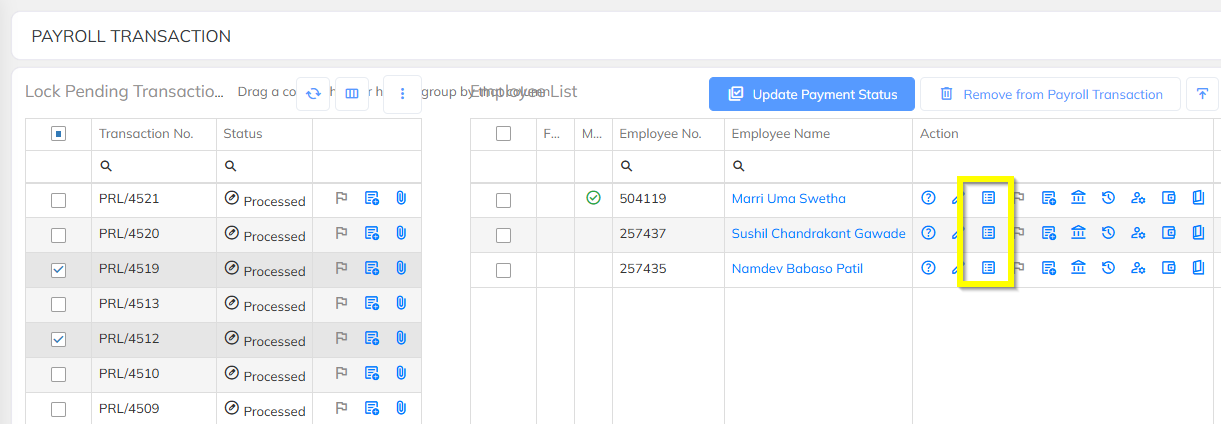
In the summary screen, select Chargeable Amount from the dropdown.
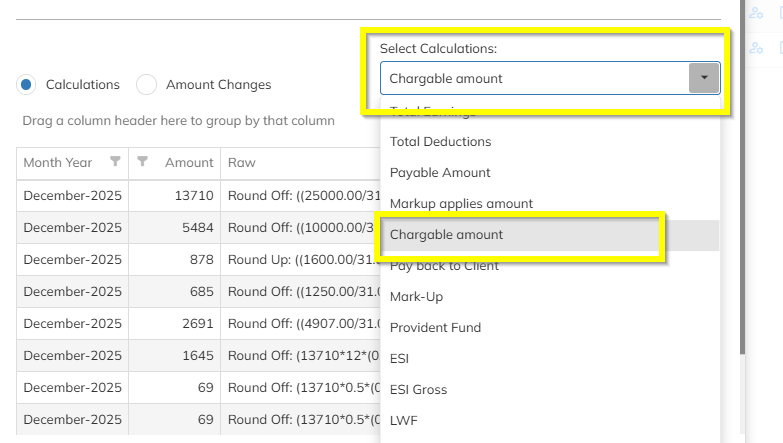
Review the displayed details to identify which headers are considered for CTC calculation.
This view provides a clear breakdown of all earning and deduction headers contributing to the employee’s CTC.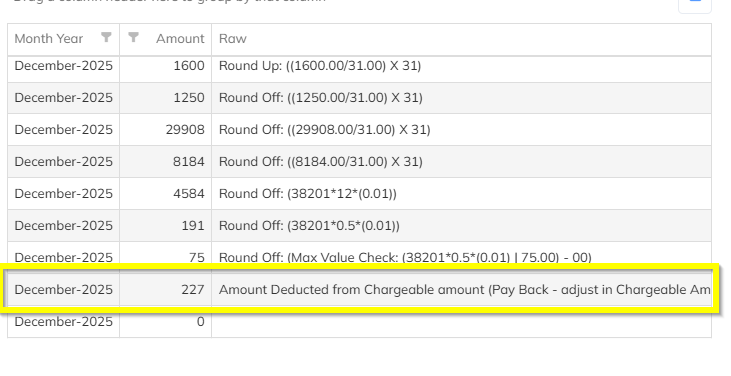
3. Why is the deduction amount reducing the CTC?
A deduction will reduce the CTC when both of the following configurations are in place:
Header Level Configuration
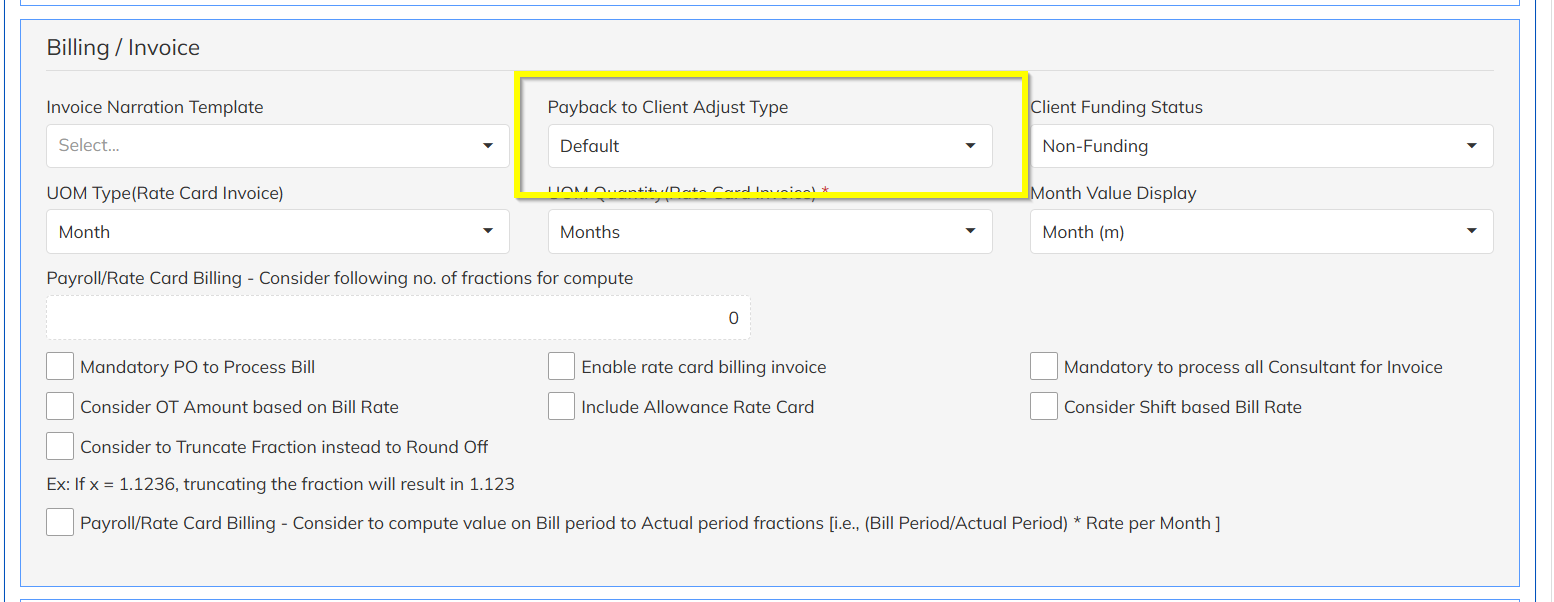
The deduction header is configured as Payback to Client.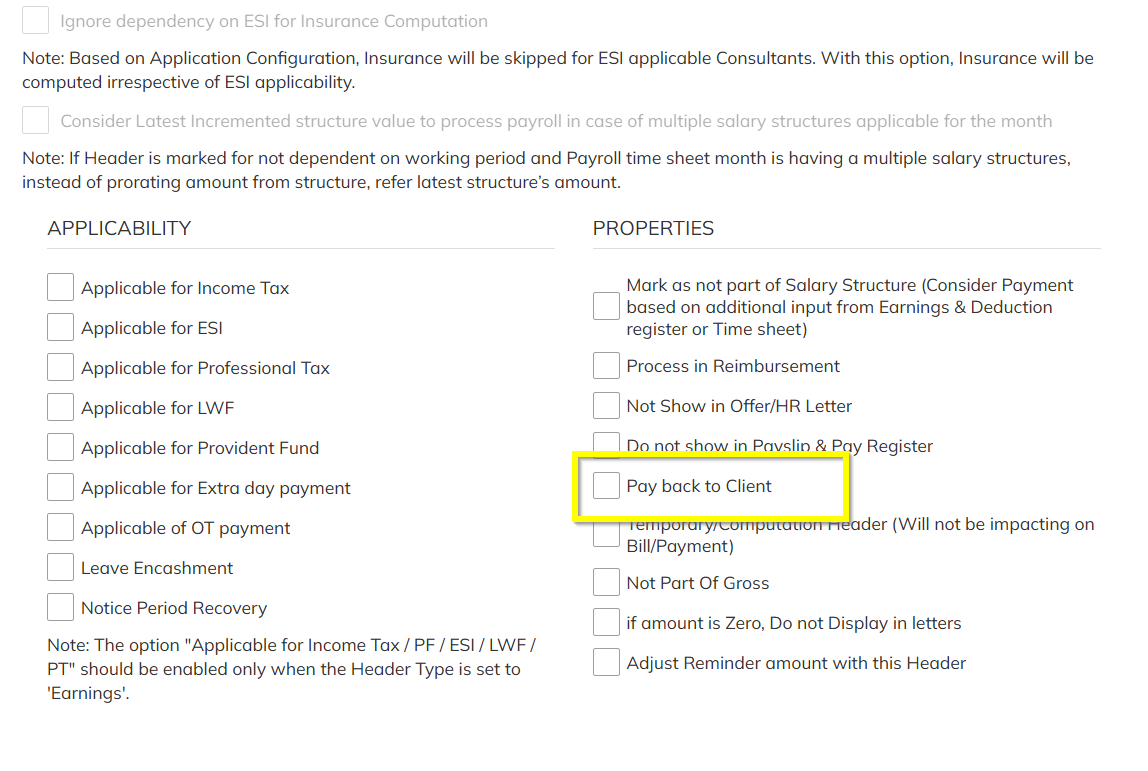
Contract Level Configuration
The same header is configured with Payback to Client – Adjustment Type set as “Default”.
When these conditions are met, the system automatically reduces the deduction amount from the employee’s CTC.
4. Where else can this information be verified?
The same deduction and CTC impact details are also visible in the Payroll Summary, ensuring transparency and consistency across reports.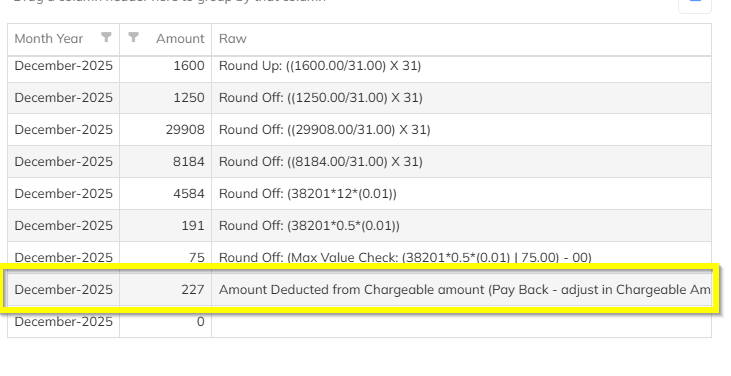
5. How can I prevent a deduction from reducing the CTC?
To stop the deduction from impacting the CTC:
Review and modify the deduction header configuration as per business requirements (either at header level, contract level, or both).
Ensure the Payback to Client and Adjustment Type settings align with the intended CTC treatment.
Reprocess the payroll after making the changes.
6. Is payroll reprocessing mandatory after configuration changes?
Yes. Any change to deduction header configuration requires payroll reprocessing for the updated CTC and deduction values to reflect correctly.
Was this article helpful?
That’s Great!
Thank you for your feedback
Sorry! We couldn't be helpful
Thank you for your feedback
Feedback sent
We appreciate your effort and will try to fix the article